que alimentos comer cuando se tiene reflujo gastroesofagico Los mejores alimentos para el reflujo gastroesofágico que debes comer
When it comes to managing conditions like acid reflux, also known as gastroesophageal reflux disease (GERD), there are a variety of approaches that healthcare professionals may recommend. One diagnostic tool that is often used to identify the presence of GERD is a gastroscopy, also known as an upper endoscopy. During a gastroscopy, a thin, flexible tube with a camera is inserted through the mouth and into the esophagus, stomach, and small intestine. This enables the healthcare provider to visualize and examine the lining of these structures, as well as take tissue samples (biopsies) if necessary. While a gastroscopy may not be necessary for every patient with GERD, there are several reasons why it might be recommended. First and foremost, a gastroscopy can help to confirm the presence of GERD and rule out other conditions that may be causing similar symptoms. In addition, a gastroscopy may be recommended for patients who are experiencing severe or atypical reflux symptoms, or for those who are not responding to initial treatments (such as lifestyle modifications and/or medication). In these cases, a gastroscopy can help to identify whether there are any anatomical abnormalities or complications, such as ulcers or strictures, that may be contributing to the symptoms. If a gastroscopy does reveal the presence of GERD, there are a variety of treatment options that may be recommended. These may include lifestyle changes (such as avoiding trigger foods, losing weight, and quitting smoking), over-the-counter medications (such as antacids and proton pump inhibitors), and prescription medications (such as H2 receptor blockers and prokinetics). In rare cases where these treatments are not effective, surgery may be considered. It’s important to note that while a gastroscopy is generally considered a safe and relatively low-risk procedure, there can be some potential complications, such as bleeding or perforation of the esophagus or stomach. However, these risks are generally very low and are outweighed by the potential benefits of a gastroscopy in the appropriate patient. So, if you are experiencing symptoms of acid reflux or GERD, it may be worth discussing the possibility of a gastroscopy with your healthcare provider. This diagnostic tool can help to confirm the presence of GERD, identify any potential complications, and guide personalized treatment recommendations to help manage your symptoms and improve your quality of life.
Following a GERD-Friendly Diet
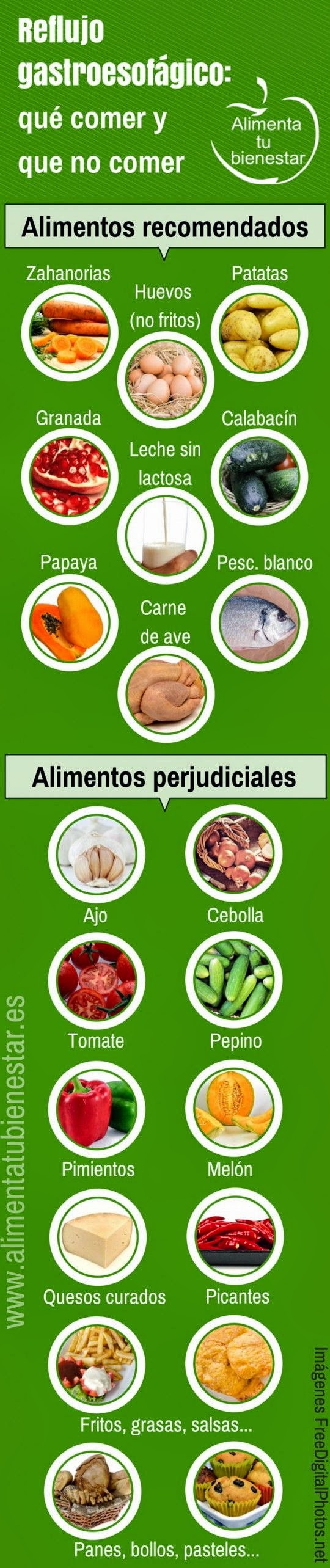
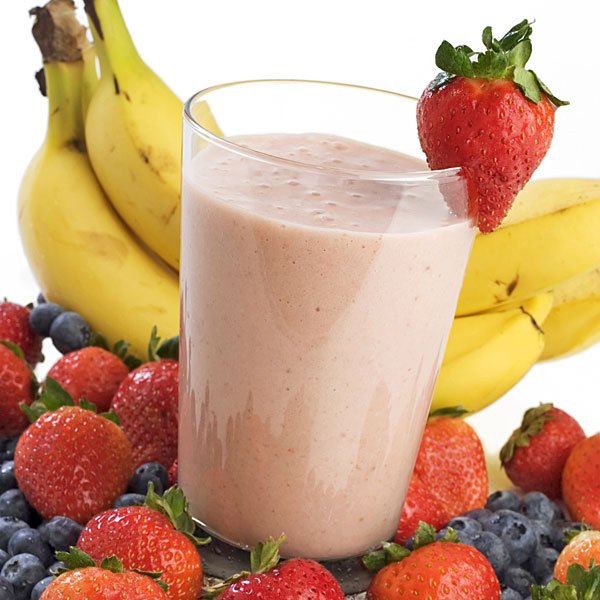 Eating certain foods can make GERD symptoms worse, while others may help to ease symptoms. For example, high-fat and spicy foods, as well as caffeine and alcohol, can all exacerbate GERD symptoms. On the other hand, low-fat and high-fiber foods, such as fruits, vegetables, and whole grains, may help to reduce symptoms. Other foods that may be beneficial for GERD include lean protein sources (such as chicken and fish), low-fat dairy products (such as yogurt and skim milk), and healthy fats (such as those found in avocado and nuts).
Conclusion
 In conclusion, a gastroscopy is a valuable diagnostic tool that can help to confirm the presence of GERD and identify potential complications. If you are experiencing symptoms of GERD, talk to your healthcare provider about whether a gastroscopy may be appropriate for you. In addition to diagnostic testing, there are a variety of lifestyle modifications, over-the-counter and prescription medications, and surgical options that can help to manage GERD symptoms and improve quality of life.
If you are searching about Qué alimentos ayudan a reducir el reflujo gastroesofágico you’ve visit to the right place. We have 5 Pics about Qué alimentos ayudan a reducir el reflujo gastroesofágico like ¿Por qué hacer una gastroscopía a los pacientes con reflujo, Los Mejores Alimentos Para el Reflujo Gastroesofágico Que Debes Comer and also Mi pequeños aportes: Reflujo gastroesofágico - Que comer y que no comer.. Here it is:
Qué Alimentos Ayudan A Reducir El Reflujo Gastroesofágico
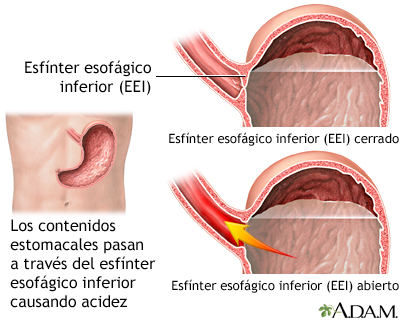
 www.soyaire.comEnfermedad Por Reflujo Gastroesofágico: MedlinePlus Enciclopedia Médica
 www.nlm.nih.govMi Pequeños Aportes: Reflujo Gastroesofágico - Que Comer Y Que No Comer.
 sebafabian.blogspot.com¿Por Qué Hacer Una Gastroscopía A Los Pacientes Con Reflujo
www.clinicadigestivanavarro.comLos Mejores Alimentos Para El Reflujo Gastroesofágico Que Debes Comer
swiki.netQué alimentos ayudan a reducir el reflujo gastroesofágico. ¿por qué hacer una gastroscopía a los pacientes con reflujo. Mi pequeños aportes: reflujo gastroesofágico