how to treat low co2 levels Co2 dioxide toxicity hypercapnia affect respiratory hypocapnia monoxide exposure percent buildup increasing prolonged ways lagring shortness consciousness oxygen koolzuur gevaarlijk
Are you aware that the levels of carbon dioxide (CO2) in the air we breathe can affect our health and wellbeing? It’s true, and while most people are aware of the harmful effects of pollutants and other toxic substances in the air, CO2 is often overlooked. In this post, we’ll take a closer look at the impact of CO2 on our health and the role that gas sensors play in preventing potential harm. First, let’s talk a little bit about CO2. Carbon dioxide is a natural component of the earth’s atmosphere, and it is necessary for the survival of plants and animals. However, too much CO2 can be harmful to our health. When we breathe in air that contains high levels of CO2, it can cause a number of health problems, including headaches, fatigue, and even respiratory distress. This is because high levels of CO2 can reduce the amount of oxygen in the air we breathe, leading to a lack of oxygen in our bodies. Now, let’s talk about gas sensors. Gas sensors are devices that are used to detect the presence of gases like CO2. They work by measuring the concentration of gas in the air and can alert us when levels of CO2 are too high. This is especially important in indoor spaces like homes and offices, where levels of CO2 can build up if there isn’t enough ventilation. In fact, recent studies have shown that indoor CO2 levels are often much higher than outdoor levels, particularly in poorly ventilated buildings. This is because we are constantly exhaling CO2, and if there isn’t enough fresh air coming in, the CO2 can build up. This can lead to symptoms like drowsiness, poor concentration, and reduced productivity. So, how can we prevent the harmful effects of CO2? One way is by using gas sensors to monitor indoor CO2 levels. By keeping an eye on CO2 levels, we can ensure that we are breathing clean, oxygen-rich air. Additionally, increasing ventilation in indoor spaces can help to reduce CO2 levels and improve air quality. In conclusion, it’s important to pay attention to the levels of CO2 in the air we breathe. While it may not be a pollutant like other harmful substances, high levels of CO2 can still pose a threat to our health and wellbeing. By using gas sensors and increasing ventilation in indoor spaces, we can ensure that we are breathing clean, healthy air. So, the next time you’re in a poorly ventilated space, take a deep breath and think about the importance of indoor air quality.
If you are searching about Impact of CO2 on Your Health & the Role Gas Sensors Play in Prevention you’ve came to the right page. We have 5 Pictures about Impact of CO2 on Your Health & the Role Gas Sensors Play in Prevention like What Causes Low Co2 Levels?, Why ’low’ levels of CO2 have huge effects - YouTube and also The highest CO2 levels in. Read more:
Impact Of CO2 On Your Health & The Role Gas Sensors Play In Prevention
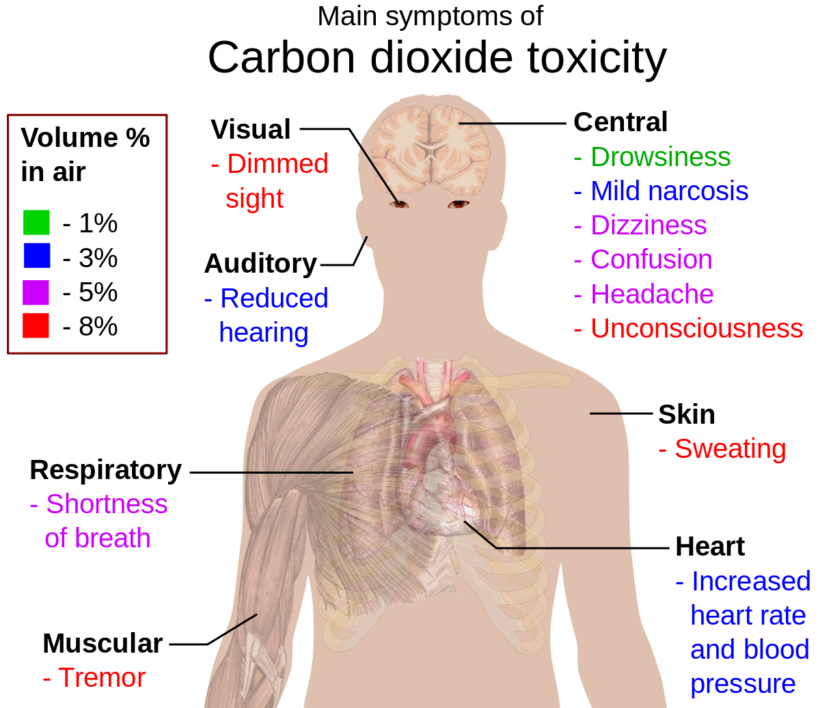 brakesforbreastsaz.orgco2 dioxide toxicity hypercapnia affect respiratory hypocapnia monoxide exposure percent buildup increasing prolonged ways lagring shortness consciousness oxygen koolzuur gevaarlijk
The Highest CO2 Levels In
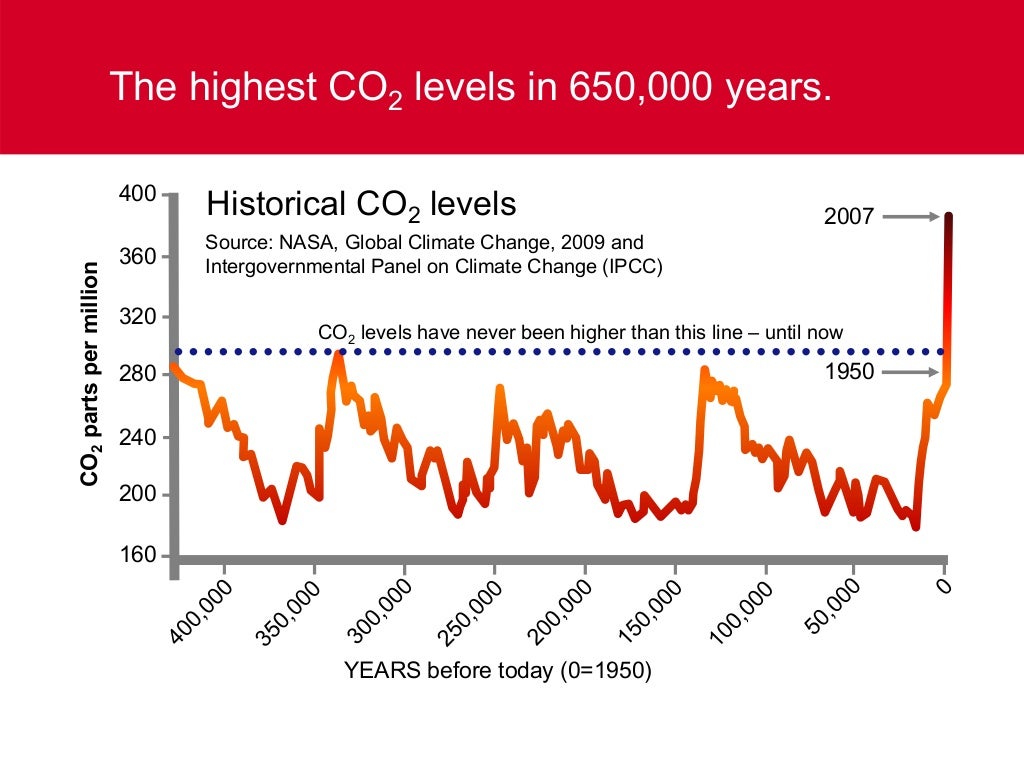 www.slideshare.netco2 levels highest climate change slideshare years
Why ’low’ Levels Of CO2 Have Huge Effects - YouTube
 www.youtube.comClimate Change - CO₂ Level Is High Enough That It Reduces Cognitive
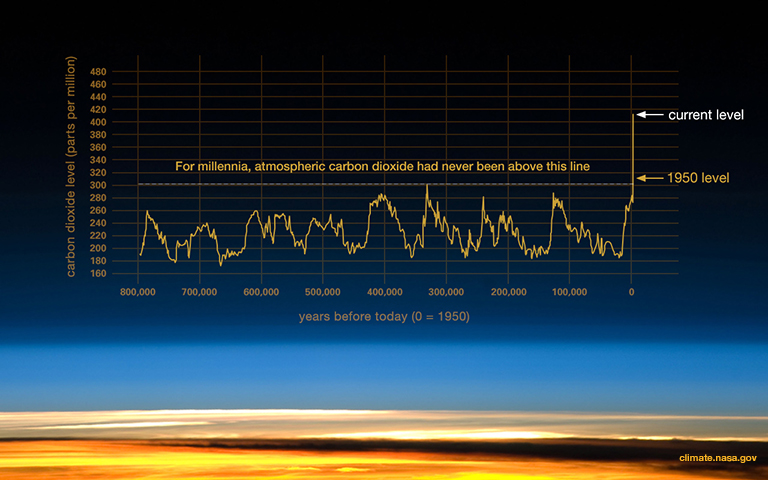 earthscience.stackexchange.comWhat Causes Low Co2 Levels?
 health-faq.comCo2 levels highest climate change slideshare years. What causes low co2 levels?. The highest co2 levels in