does birth control reduce testosterone Testosterone lowering androgen shecares
Birth Control: What You Need to Know About Low-Dose Pills If you’re considering birth control, you’re not alone. In fact, an estimated 62% of women in the United States use some form of contraception. One option that’s growing in popularity is low-dose birth control pills. These pills are called “low-dose” because they contain less estrogen than traditional birth control pills. But, what exactly are the pros and cons of low-dose birth control? And is it right for you? Let’s explore. Pros of Low-Dose Birth Control Pills 1. Lower Risk of Side Effects Low-dose birth control pills are less likely to cause some of the more common side effects associated with traditional birth control pills. These side effects can include nausea, headaches, and mood changes. 2. Better for Some Women’s Health Needs Traditional birth control pills can increase a woman’s risk of certain health issues, including blood clots. Low-dose birth control pills may be a better option for women who are at risk for these issues. 3. Fewer Menstrual Issues Many women who switch to low-dose birth control pills report fewer menstrual issues. This can include lighter periods, less menstrual pain, and fewer menstrual headaches. Cons of Low-Dose Birth Control Pills 1. Higher Chance of Irregular Bleeding Because low-dose birth control pills contain less estrogen, some women may experience irregular bleeding. This can include spotting between periods or having longer or shorter periods. 2. May Not Be as Effective Traditional birth control pills are about 91% effective at preventing pregnancy when used perfectly. Low-dose birth control pills may be less effective if not taken at the exact same time each day. 3. May Not Be Covered by Insurance Because low-dose birth control pills are a relatively new option, some insurance plans may not cover them. Overall, low-dose birth control pills can be a great option for some women. It’s important to talk to your doctor to determine if they’re right for you based on your individual health needs and lifestyle. But even if you’re not interested in low-dose birth control pills, there are many other options available. From the pill to the patch to the implant, birth control is an important choice that can have a significant impact on your health and well-being. Testosterone and Sperm: The Connection You Need to Know About Testosterone is a hormone that’s often associated with male development and body functions. But, did you know that testosterone also plays a key role in sperm production? While testosterone is not the only hormone involved in sperm production, it is an important one. In fact, low levels of testosterone can contribute to a decrease in sperm production and infertility. But, how exactly does testosterone affect sperm? And what can you do if you’re experiencing low sperm count or infertility? Testosterone and Sperm: How They’re Connected Testosterone is produced in the testes and plays a key role in the development of male sex organs and characteristics. It’s also involved in the production of sperm. In fact, testosterone is needed for the production of a hormone called gonadotropin-releasing hormone (GnRH). GnRH then signals the release of luteinizing hormone (LH) and follicle-stimulating hormone (FSH). LH and FSH are both involved in sperm production. LH stimulates the production of testosterone in the testes, while FSH helps support the growth of sperm cells. Without enough testosterone, the production and maturation of sperm can be negatively affected. What Can You Do if You’re Experiencing Low Sperm Count or Infertility? If you’re experiencing low sperm count or infertility, it’s important to talk to your doctor. They may recommend a variety of treatment options based on your individual health needs and lifestyle. These treatment options can include: 1. Testosterone Replacement Therapy If your low sperm count is caused by low testosterone levels, testosterone replacement therapy may be an option. This therapy involves taking testosterone in the form of a pill, injection, or patch. 2. Fertility Medications For some men, taking fertility medications can help stimulate sperm production. These medications may be taken in combination with other treatments, such as intrauterine insemination or in vitro fertilization. 3. Surgery In some cases, surgery may be necessary to address issues that are causing low sperm count or infertility. For example, surgery can be used to treat varicoceles (enlarged veins in the scrotum) or to unblock the tubes that carry sperm. Overall, if you’re experiencing low sperm count or infertility, it’s important to talk to your doctor. There are many treatment options available that can help improve your chances of conceiving.
If you are searching about Pin on holistic health you’ve visit to the right page. We have 5 Pics about Pin on holistic health like Low-Dose Birth Control: Pills to Try, Pros and Cons, Does Testosterone Produce Sperm? - Harold P. Freeman Patient Navigation and also Pin on holistic health. Here it is:
Pin On Holistic Health
 www.pinterest.comtestosterone lowering androgen shecares
Does Testosterone Produce Sperm? - Harold P. Freeman Patient Navigation
 hpfreemanpni.orgtestosterone hormone sperm hormones succede replacement assumo trt doping testicles feel laleggepertutti boosters harold sessuali femminili ormoni bone aspects infographic
Best Testosterone Boosters Supplements (2021): Increase Sex Drive
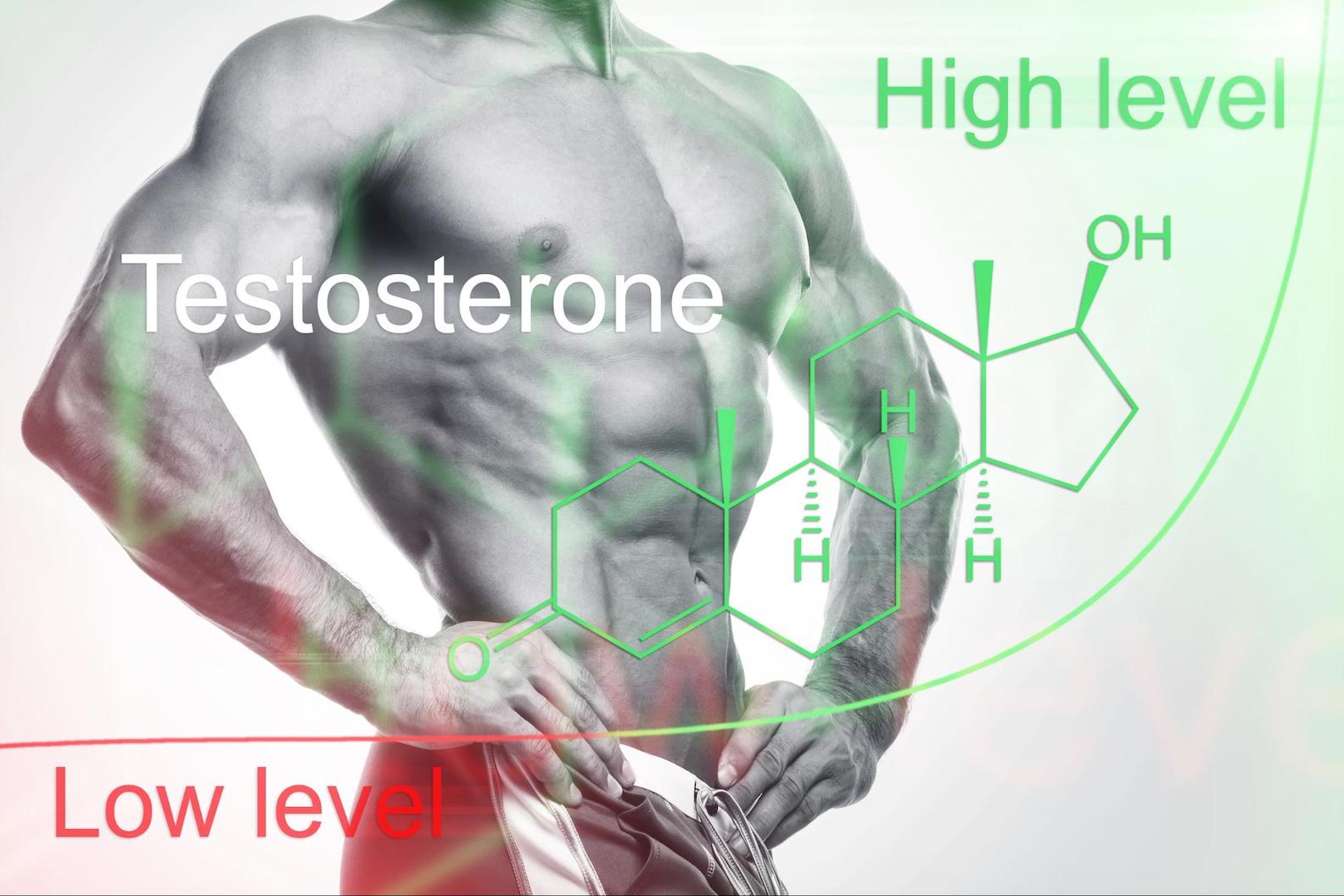 www.austinchronicle.comtestosterone steroids boosters transdermal shbg sicuri perche stimolatori utilizzarli tired decrease topical maxhealthpro austinchronicle
Pin On Kim
 www.pinterest.comtestosterone
Low-Dose Birth Control: Pills To Try, Pros And Cons
 greatist.combirth control dose low pills cons
Pin on holistic health. Pin on kim. Birth control dose low pills cons