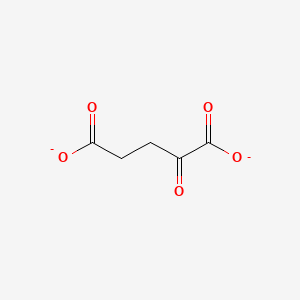
alpha ketoglutarate structure Ketoglutarate pubchem
Today we’re talking about three important components of the Citric Acid Cycle: alpha-ketoglutarate, malate, and citrate. This cycle is one of the body’s most important biochemical pathways, playing a crucial role in producing energy from food.
The Importance of Alpha-Ketoglutarate
Alpha-ketoglutarate is a key player in the Citric Acid Cycle. It’s an intermediate molecule that helps to transform the energy from food into a usable form. In addition to its role in energy production, alpha-ketoglutarate has also been linked to improving athletic performance. Studies have shown that supplementing with alpha-ketoglutarate can increase exercise endurance and reduce muscle damage.
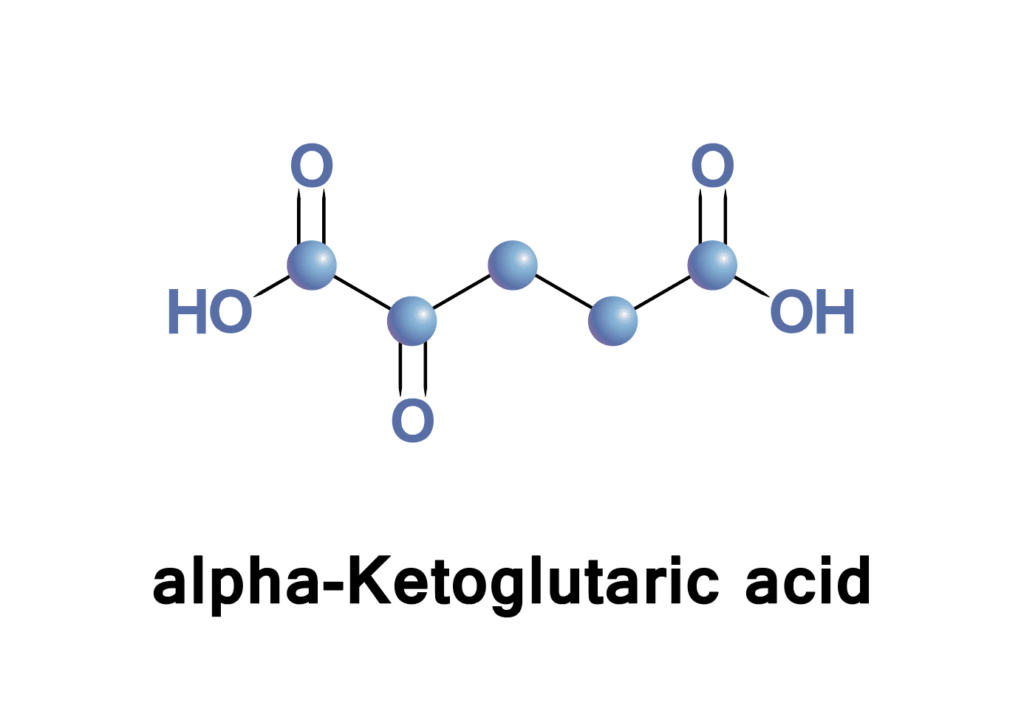 As we age, our bodies produce less alpha-ketoglutarate, which can lead to a decline in energy levels. However, by supplementing with alpha-ketoglutarate, we can help to mitigate this decline and improve our overall energy production.
The Role of Malate
Malate is another key component of the Citric Acid Cycle. It’s formed when fumarate is transformed into malate by an enzyme known as fumarase. Malate plays an important role in the production of energy by helping to carry electrons from one molecule to another.
Citrate and Energy Production
Citrate is perhaps the most well-known component of the Citric Acid Cycle. It’s produced when acetyl-CoA reacts with oxaloacetate, and it plays a key role in energy production by helping to regulate a variety of metabolic processes.
Beyond its role in energy production, citrate has also been linked to numerous other health benefits. For example, studies have shown that supplementing with citrate can help to reduce the risk of kidney stones by increasing urine pH.
In conclusion, the Citric Acid Cycle is a highly important biochemical pathway that plays a crucial role in energy production. The components of this cycle - including alpha-ketoglutarate, malate, and citrate - each have their own unique roles to play in this process. By supplementing with these important molecules, we can help to support our overall energy production and improve our health and well-being. If you are looking for alpha-Ketoglutarate | C5H4O5-2 - PubChem you’ve came to the right page. We have 5 Pictures about alpha-Ketoglutarate | C5H4O5-2 - PubChem like Alpha Ketoglutaric acid - Alchetron, the free social encyclopedia, alpha-Ketoglutarate | C5H4O5-2 - PubChem and also ALPHA KETOGLUTARATE, MALATE, AND CITRATE: CITRIC ACID CYCLE. Here you go:
Alpha-Ketoglutarate | C5H4O5-2 - PubChem
Alpha Ketoglutaric Acid - Alchetron, The Free Social Encyclopedia
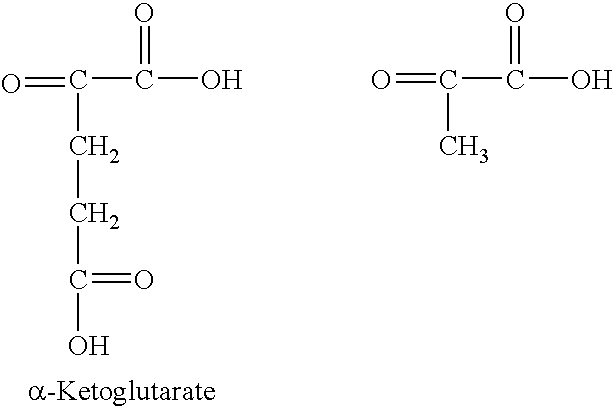 alchetron.comketoglutaric ketoglutarate kg glutarate alchetron glutamate transporter
α-Ketoglutaric Acid 99.0-101.0 % T | 328-50-7 | Sigma-Aldrich
 www.sigmaaldrich.comAlpha-Ketoglutaric Acid | SIELC
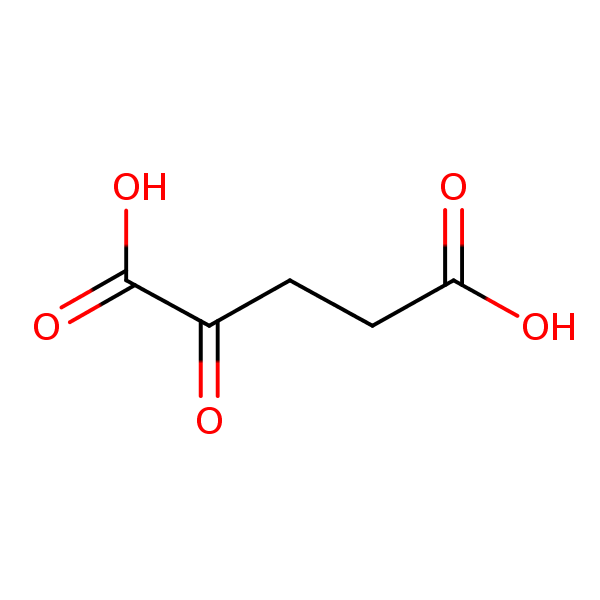 sielc.comalpha acid formula sielc molecular cas number
ALPHA KETOGLUTARATE, MALATE, AND CITRATE: CITRIC ACID CYCLE
www.neuroneeds.comalfa ketoglutarate malate citrate intermediates citric säure acido ammoniak ammoniaca ácido
Alpha acid formula sielc molecular cas number. Alpha-ketoglutaric acid. Alpha ketoglutarate, malate, and citrate: citric acid cycle